
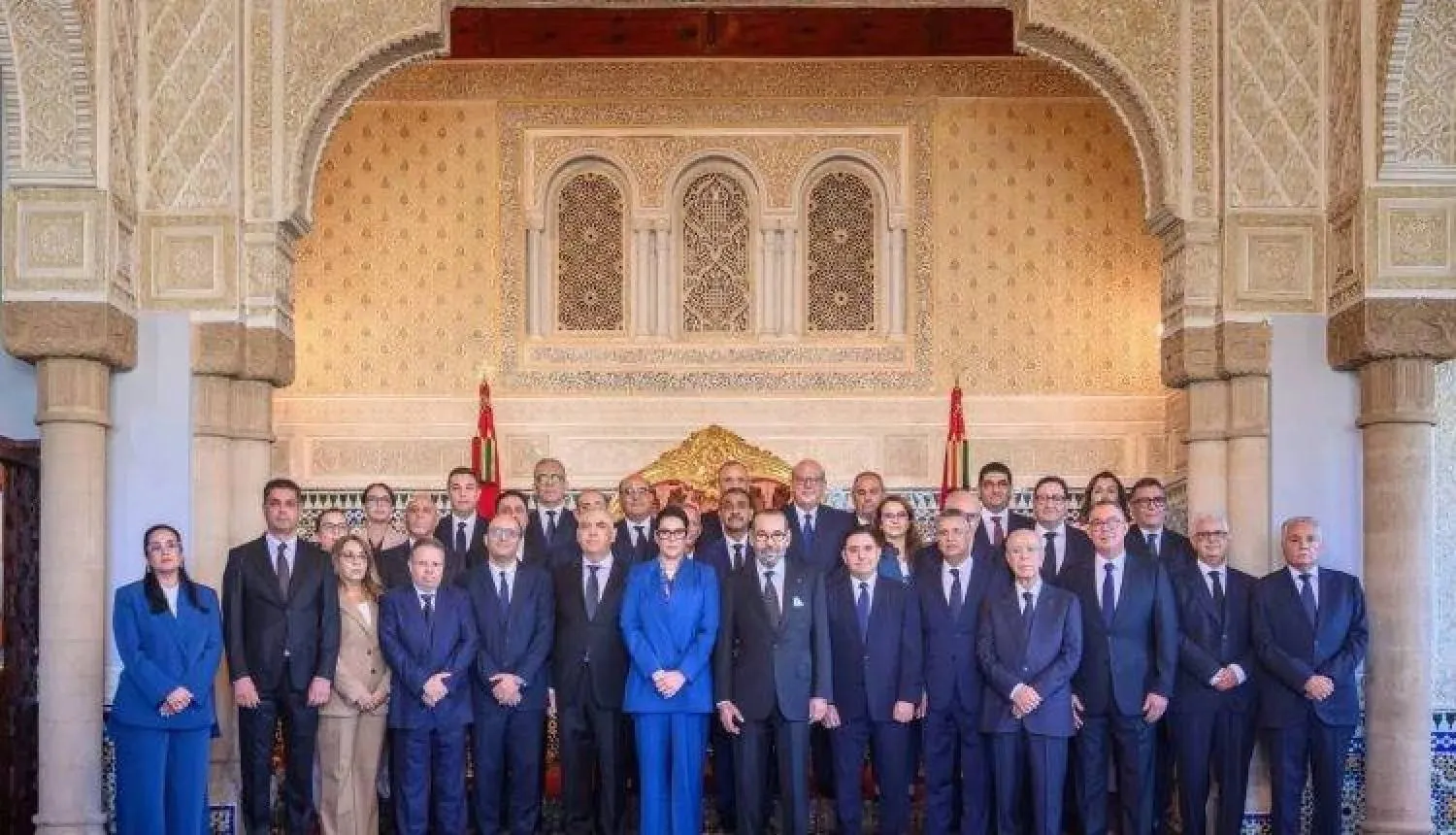
RABAT, October 17, 2026 (DAILYNWZ) — Morocco has formed a new 32-member government, retaining its foreign affairs and interior ministers as it prepares to oversee major infrastructure investment and address persistent concerns over unemployment, education and healthcare.
The appointments were reported on Friday by state news agency MAP following a government ceremony chaired by King Mohammed VI.
The new cabinet will be led by the head of government appointed last month after the September 23 parliamentary elections, in which the liberal-centrist Authenticity and Modernity Party (PAM) won the largest share of seats.
The government also includes the leader of the country’s football federation and former budget minister as economy and finance minister. He is a member of PAM.
PAM formed a coalition with the moderate socialist parties PPS and USFP and the nationalist Istiqlal. Together, the four parties hold 207 seats in parliament, above the 198 required for a majority.
Alongside the foreign affairs and interior portfolios, the ministers responsible for justice, water, defence, industry and transport also retained their positions, MAP reported.
Several newcomers took up other posts. PPS leader Nabil Benabdallah returned to government as education minister, while fellow party member Charafat Afailal was appointed energy minister. Khalid Hatimi was named minister of agriculture, maritime fisheries and food sovereignty.
One of the government’s major tasks will be to oversee the final stages of a $20 billion programme to prepare Morocco for the 2030 World Cup, which it will co-host with Portugal and Spain.
The cabinet will also face pressure to create jobs and improve public services. Unemployment and demands for better education and healthcare helped fuel youth-led Gen Z protests last year. Migration pressures were also highlighted by the Ceuta migration crisis in July.
Despite the changes in some ministerial portfolios, the new government is not expected to alter Morocco’s overall policy direction. The country is a constitutional monarchy in which the king retains extensive powers, particularly over foreign policy and defence.