
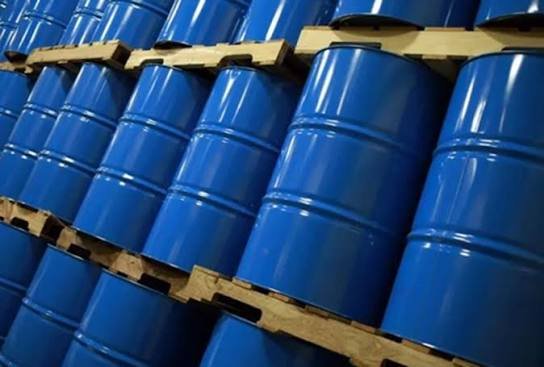
PARIS, October 04, 2026 (DAILYNWZ) — More than 80% of the 400 million barrels of oil pledged by members of the International Energy Agency for an emergency release in March have already reached the market, as disruptions around the Strait of Hormuz and attacks on Russian refineries keep pressure on fuel supplies.
IEA Executive Director Fatih Birol told G7 leaders that about 325 million barrels from the March operation had so far been released, according to an agency statement.
The March action was designed to offset supply disruptions linked to the war in the Middle East and was the largest coordinated release of emergency oil reserves in the IEA’s history.
But energy markets remain under strain, particularly the diesel market. Birol said the crisis around the Strait of Hormuz was putting significant pressure on diesel supplies, while Ukrainian attacks on Russian refineries had further tightened availability and pushed prices higher, the IEA said.
The latest move by the world’s leading industrial economies adds another layer of support. G7 leaders agreed on Friday to release 100 million barrels of oil and fuel from their emergency reserves through the IEA over four months.
A substantial portion of the diesel is expected to be released during the first 20 days of the operation, according to a statement issued after the leaders’ virtual meeting.
The G7 also agreed to coordinate refinery maintenance among member countries and to avoid imposing energy export restrictions on one another, measures intended to help keep supplies flowing as disruptions persist.
The group asked the IEA to monitor implementation of the new releases and report on their impact within 20 days.
The scale of the combined releases underlines the pressure facing energy markets. The IEA’s March decision alone involved 400 million barrels, while the additional 100 million barrels agreed by the G7 represents a further effort to ease supply constraints, particularly for refined fuels such as diesel.
With most of the March allocation already delivered, the focus is now shifting to how quickly the new G7 volumes reach consumers and whether they can relieve pressure on diesel markets affected by disruptions in the Middle East and damage to Russian refining capacity.