
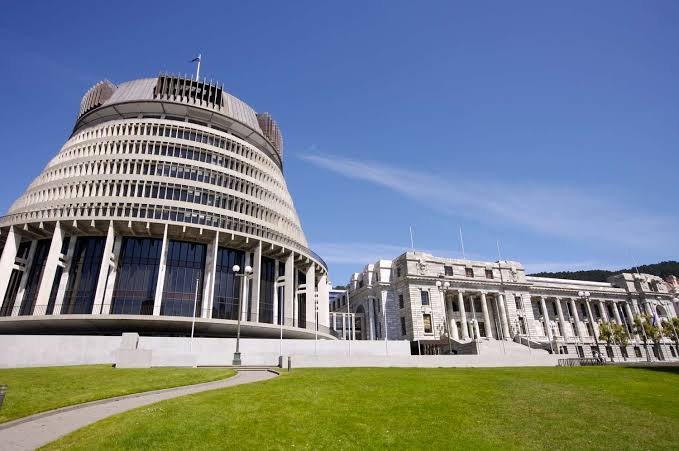
WELLINGTON, October 01, 2026 (DAILYNWZ) — New Zealand’s Parliament was dissolved on Thursday, officially opening the campaign for a November 7 national election that is expected to be closely contested between the governing centre-right coalition and a Labour-led opposition bloc.
The dissolution marks the formal start of a campaign focused on issues likely to shape voter choices, including the cost of living, economic management and the future of public services. Lawmakers held their final parliamentary sitting on September 23 before the country moved into election mode.
A 1News-Verian poll released this week showed a potential left-leaning coalition led by the Labour Party could secure 65 seats and form a government, compared with 59 seats for the current governing alliance made up of the National Party, ACT and New Zealand First.
The poll results reflect the uncertainty surrounding New Zealand’s proportional electoral system, where smaller parties often play a decisive role in determining which bloc can build a governing majority.
Introduced three decades ago, the country’s Mixed Member Proportional system, based partly on Germany’s model, has made coalition governments a regular feature of New Zealand politics. Under the system, parties compete for both electorate seats and a share of the nationwide party vote, with the final balance of Parliament reflecting those results.
The Parliament normally has 120 seats, although the number can increase in certain circumstances, such as when a party wins more electorate seats than its overall share of the party vote would normally justify.
With neither major bloc guaranteed a clear path to power, smaller parties could become crucial after election day. The centrist Opportunity Party, which was founded about a decade ago, has been identified by some opinion polls as a potential kingmaker in post-election negotiations.
New Zealand’s election campaigns traditionally involve a mix of national policy debates and negotiations among parties seeking enough support to govern. The November vote will determine whether the current centre-right coalition retains power or whether Labour and its potential partners can assemble a new governing arrangement.
Voting for New Zealand citizens living overseas will begin on October 21, while advance voting inside the country will open on October 26 ahead of election day.