
ACCRA, November 13, 2026 (DAILYNWZ) — Ghana plans to invest $10 billion over four years from 2027 in a domestically funded programme aimed at expanding production, boosting exports and creating jobs, as the West African nation seeks to turn recent economic stabilisation into stronger growth.
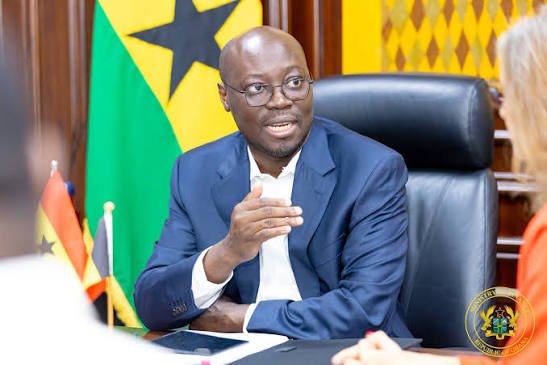
Finance Minister Cassiel Ato Forson announced the “New Economy” initiative on Thursday while presenting the 2027 budget to parliament, outlining investments across commercial agriculture, energy infrastructure, technology, textiles and garments, and the processing of critical minerals.
The programme is designed to strengthen domestic production and increase the value of goods produced in Ghana, particularly in sectors with potential to generate exports and employment.
“Government will preserve stability, provide strategic infrastructure, prepare bankable projects and create predictable conditions for enterprise,” Forson told lawmakers.
The budget forecasts economic growth of 5.2% in 2027, compared with an estimated 4.8% in 2026. It also targets a reduction in the cash-based fiscal deficit to 3.6% of gross domestic product, from 4% this year.
The government aims to keep inflation within an 8% target, with a tolerance margin of two percentage points in either direction.
The budget marks Ghana’s first since completing a $3 billion support programme with the International Monetary Fund (IMF), which helped the country restore economic stability after a severe financial crisis.
The major producer of gold, oil and cocoa turned to the IMF in 2022 as soaring debt-servicing costs exposed the consequences of years of excessive public spending, compounded by the COVID-19 pandemic, Russia’s invasion of Ukraine and elevated global interest rates.
Inflation, which reached 54.1% in December 2022, declined sharply during the three-year programme, hitting 3.2% in March 2026 before edging higher in subsequent months.
Alongside its investment ambitions, the government announced plans to accelerate debt repayments, signalling an effort to consolidate improvements in public finances and strengthen investor confidence.
Forson said Ghana would redeem 29 billion cedis ($2.48 billion) in Domestic Debt Exchange Programme bonds due in February 2027 ahead of schedule, with the repayment taking effect immediately.
The government also intends to repay by December 31 the second Eurobond restructured in 2024, which is scheduled to mature in January 2027.
Together, the early repayments are expected to retire more than 36 billion cedis in debt ahead of their original payment dates.
Despite completing its IMF financing programme, Ghana remains engaged with the Fund through a three-year Policy Coordination Instrument. The arrangement does not provide financial assistance but involves regular IMF assessments and is intended to demonstrate the government’s commitment to economic reforms.
For Accra, the challenge now is to translate restored macroeconomic stability and improved debt management into sustained investment, higher domestic production and employment, while keeping inflation and public borrowing under control.