
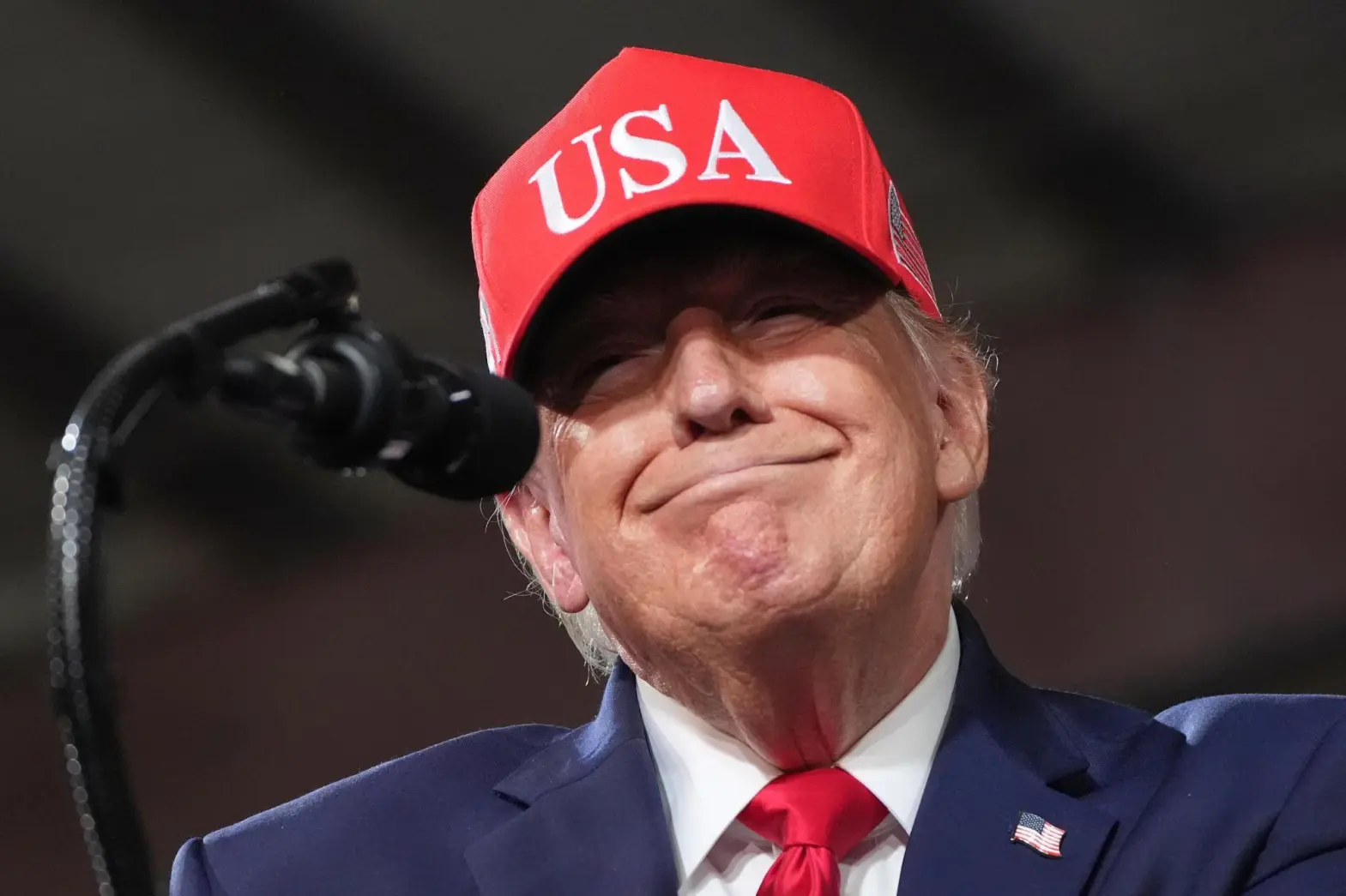
WASHINGTON, October 20, 2026 (DAILYNWZ) — U.S. President Donald Trump’s approval rating has fallen to 31%, its lowest level across his two terms, while Democrats have widened their lead over Republicans ahead of November 3 congressional elections, a Reuters/Ipsos poll showed, pointing to growing risks for the president’s party.
The four-day survey, which closed on Monday, found that Trump’s approval rating had slipped one percentage point from two weeks earlier, as high gasoline prices and dissatisfaction with the economy weighed on his standing.
In a nationwide question asking registered voters which party they would support if congressional elections were held today, 47% chose Democrats and 35% Republicans. The 12-point Democratic advantage was the widest recorded during the current election cycle, up from a seven-point lead in the previous Reuters/Ipsos poll, when Democrats led 44% to 37%.
The result could strengthen Democratic hopes of taking control of the House of Representatives and the Senate. Losing either chamber would make it harder for Republicans to advance Trump’s agenda during the final two years of his term.
The generic-ballot question measures national preferences but does not account for differences across individual states and congressional districts, where Republicans retain some structural advantages. Control of Congress will ultimately depend on those local contests.
Women accounted for much of the shift toward Democratic candidates. Half of female voters said they would vote Democratic, compared with 32% who favored Republicans. Men also preferred Democrats, though by a narrower margin.
Trump’s standing has deteriorated since he ordered military strikes on Iran in February alongside Israel, a U.S. ally. The ensuing war drove up gasoline prices, putting additional pressure on household budgets.
The poll found that 68% of Americans disapproved of Trump’s handling of the economy, including 37% of respondents who identified as Republicans. Asked which party would manage the economy better, voters favored Democrats over Republicans by 40% to 33%.
The findings suggest that economic concerns could be a major liability for Republicans as they seek to retain control of Congress. However, national polling alone cannot determine the outcome of individual races, and the balance of power will depend on results across states and districts.
The online survey collected responses from 1,679 U.S. adults, including 1,279 registered voters. Its margin of error was two percentage points for all respondents and three points for registered voters.