
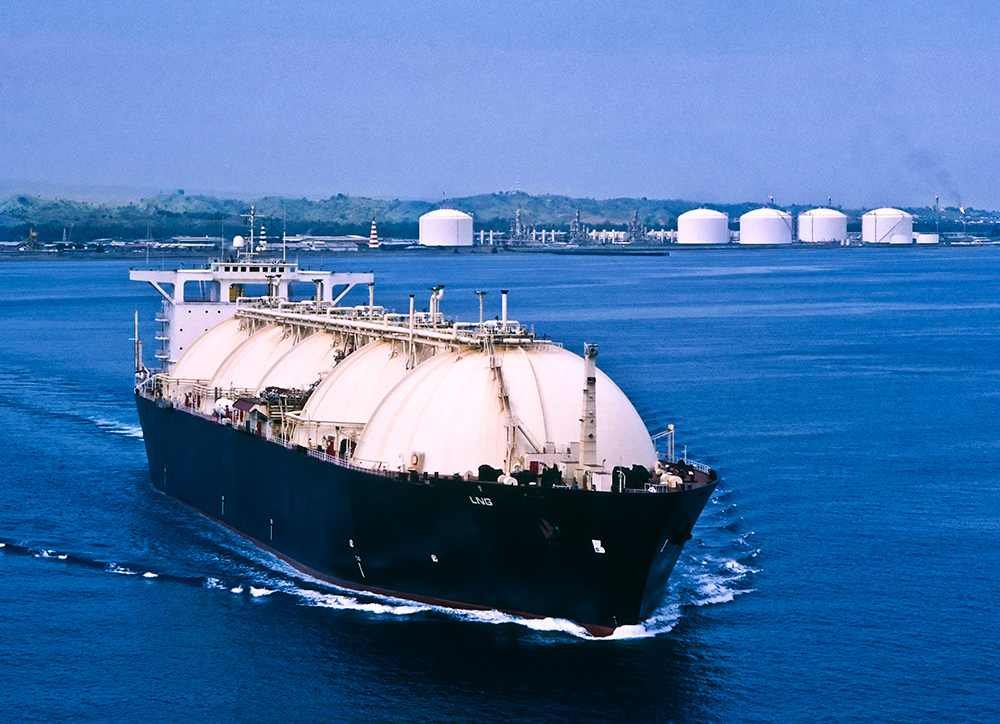
SINGAPORE, November 10, 2026 (DAILYNWZ) — Liquefied natural gas (LNG) tanker traffic through the Strait of Hormuz recovered further in October, reaching its highest monthly level since the outbreak of the US-Iran conflict disrupted energy shipments earlier this year, offering signs of a gradual resumption of exports from Qatar and the United Arab Emirates.
A total of 31 loaded LNG tankers exited the strategic waterway last month, up from 23 in September, according to vessel-tracking data from S&P Global Energy. Of these, 23 had loaded their cargoes at Qatar’s Ras Laffan terminal, while eight departed from Das Island in the United Arab Emirates.
The October figure was the highest recorded since February, when the war began, although traffic remains below pre-conflict levels, particularly for Qatar.
“We are looking at UAE back to pre-war transit levels and Qatar at over 30% of pre-war Hormuz transits,” said Eric Yep, a senior principal analyst at S&P Global Energy.
Separate data from ship-tracking firm Kpler also pointed to stronger activity. It recorded 42 LNG cargoes loaded in October, compared with 27 the previous month.
Qatar’s export infrastructure showed a notable improvement. Loadings at Ras Laffan reached 35 cargoes in October, representing more than 2.7 million tons of LNG, the highest monthly volume since the conflict began, according to Kpler. The country’s exports had reached nearly 6.2 million tons in February.
The increase in shipments suggests that some export operations are gradually recovering despite the disruption to maritime traffic through one of the world’s most important energy corridors.
Ship-To-Ship Transfers Redirect Cargoes
Some Qatari shipments have also relied on transfers between vessels outside the Gulf to move cargoes towards their final destinations.
Two LNG carriers that departed Ras Laffan and crossed the Strait of Hormuz subsequently carried out ship-to-ship transfers near the Sohar anchorage off Oman’s coast, Kpler data showed.
The SC Prestige transferred its LNG cargo to the BW ENN Crystal Sky, which is now heading to South Korea.
In a separate operation, the Al Mafyar transferred its cargo to two vessels, Shandong Redwood and Ejnan. Both ships subsequently delivered their LNG shipments to Pakistan.
The transfers illustrate how LNG shipments are being handled through alternative logistical arrangements as exporters seek to maintain deliveries amid the disruption.
At the United Arab Emirates’ Das Island terminal, export activity remained broadly stable, with seven LNG loadings recorded in October, unchanged from September, according to Kpler.
While the latest figures point to a recovery in tanker movements and export volumes, Qatar’s shipments through Hormuz remain significantly below their pre-war levels. The pace of any further recovery will therefore remain an important indicator of how quickly regional LNG trade can return to normal.